Air Force Asbestos Exposure Claims: VA Benefits and Civil Options

Updated November 11, 2026

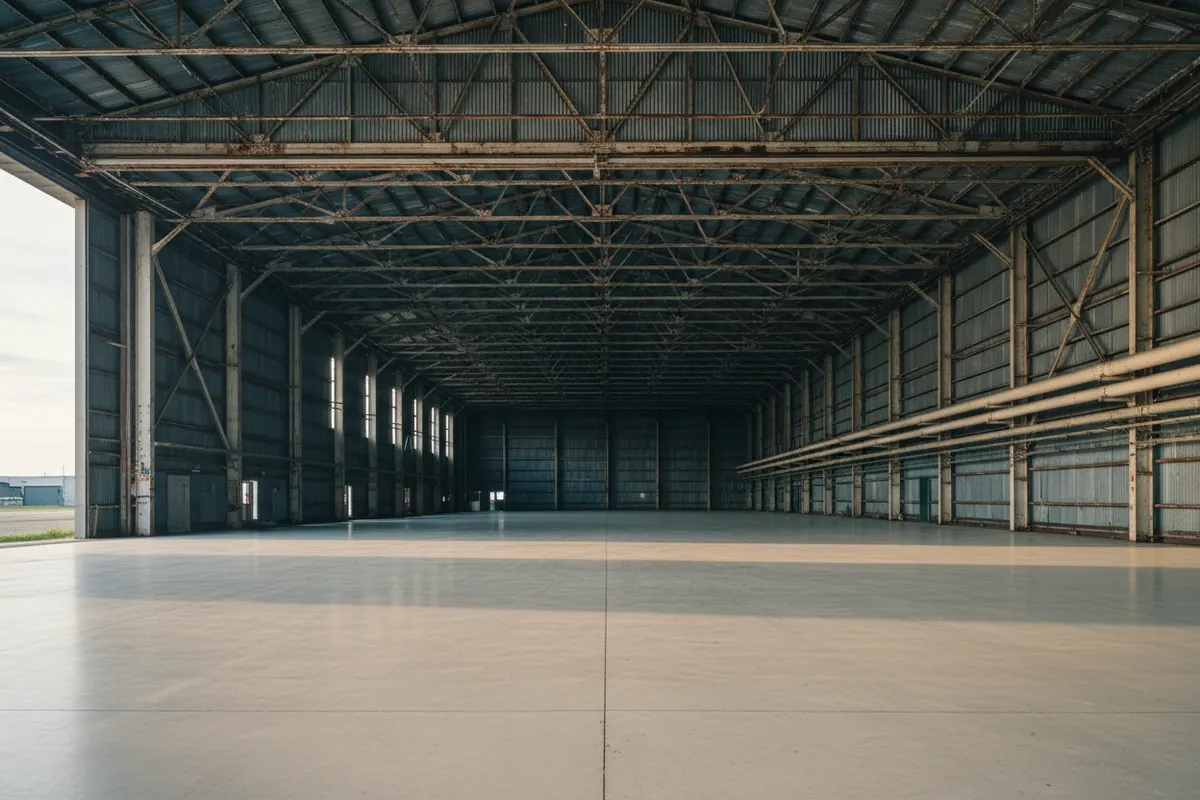
An empty decommissioned Air Force hangar where asbestos insulation once lined the walls.
Immediate answer

Air Force asbestos claims run on separate tracks: a VA claim built on three documents, Feres limits on suing the Government, and state-law product claims.

On this page
  1. Whether Your Air Force Work Counts as Asbestos Exposure for the VA
  2. Diseases the VA Connects to Asbestos Exposure
  3. The Records That Can Make or Break a VA Asbestos Claim
  4. Why Suing the Government Directly Is Rarely an Option: The Feres Doctrine
  5. When a Product Maker May Be Responsible: Civil Claims Under State Law
  6. VA Benefits and Civil Claims: How One Path Bears on the Other
  7. What Surviving Family Members May Pursue
  8. Frequently asked questions
  9. Sources

If you were exposed to asbestos while serving in the Air Force and now have a related illness, two main paths may be open: a VA disability compensation claim, and a civil claim against private companies that made or supplied asbestos products. A lawsuit against the federal government itself is generally barred for injuries tied to military service.

Most people facing this question arrive with a diagnosis that came decades after their service, a stack of unfamiliar paperwork, and a worry about what the illness means for a spouse or children. Some are veterans trying to connect a cough or a scan result to work they did years ago. Others are family members after a death, trying to learn whether anything is owed to the family and who would even decide that. This page explains how each path works, what records tend to matter, and where the paths stay apart.

Whether Your Air Force Work Counts as Asbestos Exposure for the VA

If you are wondering whether the VA will see your service as asbestos exposure, its rule comes down to two questions. According to the VA's Veterans asbestos exposure page, a veteran may be eligible for VA disability compensation based on asbestos exposure if both are true: the veteran has a health condition caused by exposure to asbestos, and the veteran had contact with asbestos while serving in the military. The VA describes that compensation as tax-free monthly payments, and notes that a veteran who gets a disability rating may also be eligible for VA health care and other benefits.

The VA does not publish a list of Air Force jobs. It lists the kinds of work and products tied to asbestos in general. The same page names these work areas: mining, milling, shipyards, construction, carpentry, and demolition of old buildings. It names these products: flooring, roofing, cement sheet, pipes, insulation, and clutch facings and brake linings, which it calls friction products. The VA's public health asbestos page gives a similar list of occupations, adds insulation work and the manufacturing and installation of products such as flooring and roofing, and says veterans who served in Iraq and other countries in that region could have been exposed when older buildings were damaged.

For an Air Force veteran, the practical question is whether the work actually done during service fits these descriptions. Someone who worked around brakes and clutches may find the friction-product discussion in our page on brake and clutch asbestos exposure useful. What is at stake here is the threshold itself: if in-service contact with asbestos cannot be shown, the VA's first requirement is not met and the claim may not move forward at all. A conversation with an attorney can help sort out how a particular job history lines up with the VA's descriptions.

Diseases the VA Connects to Asbestos Exposure

The VA's public health page says breathing asbestos mainly causes problems in the lungs and the membrane around them. It names three groups of conditions:

  • Asbestosis, which it describes as scarring of lung tissue that causes breathing problems, usually in workers exposed before the federal government began regulating asbestos use in the mid-1970s.
  • Pleural plaques, which it describes as scarring on the inner surface of the ribcage and the area around the lungs that can cause breathing problems, usually less serious than asbestosis.
  • Cancer, where it names two types caused by asbestos exposure: lung cancer and mesothelioma, a cancer of the thin lining around the lung (the pleural membrane) or the abdominal cavity (the peritoneum). The VA calls mesothelioma a rare cancer usually caused by asbestos exposure.

The same page says symptoms such as shortness of breath, coughing, and chest pain often do not appear until 20 to 50 years after the exposure. That long gap is why many veterans learn of an illness long after leaving the service, and why the link between the two has to be shown rather than assumed.

The specific diagnosis matters to both paths. The VA's evidence rule asks for medical records stating the condition and a doctor's statement connecting it to service. A civil claim also turns on what the disease is and what caused it. Whether any condition is linked to asbestos is a medical question that needs medical review; this page describes these illnesses only as the VA describes them and offers no treatment guidance.

The Records That Can Make or Break a VA Asbestos Claim

The VA's asbestos page names three documents a claimant submits:

  • Medical records that state the health condition.
  • Service records that list the veteran's job or specialty.
  • A doctor's statement that there is a connection between contact with asbestos during military service and the health condition.

That third document is often called a nexus statement, meaning a medical opinion that ties the illness to the service. The service records carry the in-service part of the claim: they show what the veteran did, which is how a job is matched against the work areas and products the VA lists. If any of the three pieces is missing, such as a nexus statement or a record showing the veteran's duties, the claim lacks part of what the VA asks to see. The VA says a claim can be filed online, by mail, in person, or with the help of a trained professional, and its public health page says the VA decides these claims on a case-by-case basis.

Service records often come from the National Archives. Its military service records page says recent military service and medical records are not online, and that most veterans and their next of kin can obtain free copies of the DD Form 214 (Report of Separation) and other service records. It says all requests must be signed and dated by the veteran or next of kin, that a request can state its purpose, such as applying for veterans benefits, and that requests can be mailed or faxed to the National Personnel Records Center or made through its online system, eVetRecs. It says requests cannot be accepted by email.

Because the Archives says response times vary with the complexity of the request, the availability of the records, and its workload, a records request may take longer than expected. The Archives also says records become archival, and open to the public for a copying fee, 62 years after the service member's separation. If you are gathering records, the documents that usually matter include the DD Form 214, the personnel file showing duties, medical records, and written statements from people who served alongside the veteran.

Why Suing the Government Directly Is Rarely an Option: The Feres Doctrine

A natural question is whether the Air Force itself can be sued. In Feres v. United States, 340 U.S. 135 (1950), the Supreme Court held that the Government is not liable under the Federal Tort Claims Act, the federal law under which the United States can be sued for some injuries, for injuries to service members that arise out of or in the course of activity incident to military service. That rule is known as the Feres doctrine.

For a veteran exposed to asbestos while on duty, Feres generally closes the door to a negligence lawsuit against the Government over that exposure. It is a limit on suits against the Government. It does not speak to claims against private companies.

That leaves other paths, each with its own rules. VA disability compensation is an administrative benefit decided by the VA, not a lawsuit against the Government. A civil claim against a private manufacturer or supplier of asbestos products is brought in court under state law. Some asbestos companies also set up trusts that review claims under their own procedures, which our page on asbestos trust fund claims explains. Trust claims and civil lawsuits are distinct mechanisms, and none of these paths is available in every situation or all at the same time; which ones fit depends on the facts. Veterans of other branches face the same framework, as our pages on Army asbestos exposure claims and Navy ship asbestos exposure describe.

When a Product Maker May Be Responsible: Civil Claims Under State Law

If you are asking whether a company that made or sold an asbestos product can be held responsible, a civil asbestos case is usually a product liability claim: a claim that a product was defective or unreasonably dangerous and that the defect caused harm. The person bringing it generally has to show three things: that a product contained asbestos and was dangerous as made or sold, including through missing or inadequate warnings; that exposure to that product caused the disease; and that the disease caused losses the law recognizes. Some claims are framed as negligence instead, which asks whether a company owed a duty of care, breached it, and caused the harm. Whether any element is met depends on the evidence; a diagnosis alone does not prove any company's fault.

These claims run on state law, and the rules differ from state to state. Limitation periods, meaning the deadlines for filing suit, differ in length and in when they start to run. Fault rules differ in how responsibility is shared among companies and how a person's own conduct is weighed. The categories of loss a state's law may allow commonly include medical expenses, lost income, and pain and suffering, and in a death case the state's wrongful-death damages. What is at stake is concrete: a claim filed after the applicable deadline can be lost, and what can be recovered depends on that state's law and the facts.

Identifying the products is often the hardest part. A veteran's exposure history, the jobs, the equipment, and the materials handled, is what connects a disease to particular products and, through them, to the companies that made or supplied them. Without that link to a specific product, the causation element is hard to show. Our page on insulation worker asbestos exposure shows how that history can be built for one kind of work.

Because filing deadlines and fault rules turn on the state and the facts, a conversation with our attorney can help sort out which state's law may apply and what the exposure history shows. If that would be useful, you can request a case evaluation.

VA Benefits and Civil Claims: How One Path Bears on the Other

The two paths answer different questions. A VA claim asks whether the veteran has a condition caused by asbestos and had contact with asbestos during service, shown through medical records, service records, and a doctor's statement. It does not ask anyone to prove that a private company was at fault. A civil claim asks whether a private company is legally responsible under state law, which means proving the elements described above against that company in court.

Because the questions differ, an outcome on one path does not settle the other. A VA decision that a condition is connected to service is not a finding that any manufacturer is liable, and a civil case does not decide VA eligibility. Not every veteran qualifies for VA compensation, and not every exposure supports a civil claim. For someone in this position, that means a denial or delay on one path does not by itself end the other, and the records gathered for one may also serve the other.

People in this position often weigh which records they already have, how quickly a diagnosis is progressing, and whether a recovery on one path could bear on benefits on the other. That last question can turn on the specific facts and benefits involved, and it is one an attorney can help sort out rather than assuming a general rule.

What Surviving Family Members May Pursue

A death changes who brings a claim but not the need for records. When an Air Force veteran dies from an asbestos-related illness, the civil options usually shift to the family or the estate. A wrongful death claim, a claim by certain survivors for losses caused by a death, exists under state law, and who may bring it, what losses it covers, and its filing deadline differ from state to state. Some states also allow the estate to continue a claim the veteran could have brought while alive. Whether any family member qualifies for a civil claim, a VA benefit, or neither depends on the facts and the law that applies.

The National Archives says next of kin can obtain free copies of the veteran's DD Form 214 and other service records, and that a request must be signed and dated by the veteran or next of kin. Families in this situation often gather the veteran's service records, the death certificate, and the medical records that describe the illness and the cause of death.

The records that support a VA-related request and those that support a civil claim overlap, but a civil claim also needs evidence about specific products and companies. A conversation with an attorney can help a family see which pieces matter for which path, and how state law treats a claim after a death.

Free case evaluation

No Fee Unless We Win Your Case

A free case evaluation is how it starts. Tell us what happened, and we’ll help you understand your options. You pay no fee unless we win your case.

Mesothelioma Legal Advocates

How it works

  1. Call us or request a free case evaluationTell us what happened, in your own words.
  2. Talk through your caseYour options, and what your case may be worth.
  3. No fee unless we winYou pay no attorney fee unless we win your case.
Free case evaluation

Tell Us What Happened

Frequently asked questions

What diseases qualify for VA disability benefits related to asbestos exposure?

The VA's public health page names asbestosis, pleural plaques, and two cancers: lung cancer and mesothelioma. The VA's eligibility rule asks for a health condition caused by asbestos exposure and contact with asbestos during service, supported by medical records and a doctor's statement linking the two. The VA decides these claims case by case.

What evidence does the VA require to approve an asbestos-related disability claim?

The VA's asbestos page lists three documents: medical records stating the health condition, service records listing the veteran's job or specialty, and a doctor's statement connecting contact with asbestos during service to the condition. The service records support the in-service part of the claim by showing what work the veteran did.

Can an Air Force veteran sue the federal government for asbestos exposure during service?

Generally not. In Feres v. United States, 340 U.S. 135 (1950), the Supreme Court held that the Government is not liable under the Federal Tort Claims Act for injuries to service members arising incident to military service. VA benefits and civil claims against private manufacturers or suppliers are separate paths with their own rules.

How do I get my military service records to support a VA asbestos claim?

The National Archives says most veterans and next of kin can obtain free copies of the DD Form 214 and other service records. Requests must be signed and dated, can be mailed or faxed to the National Personnel Records Center or made through eVetRecs, and cannot be made by email. Response times vary.

Does filing a VA claim affect the ability to pursue a civil lawsuit against an asbestos manufacturer?

The two are distinct. A VA claim is an administrative benefit that does not require proving a company's fault; a civil claim requires proving a private company's liability under state law. How one may bear on the other can depend on the facts and benefits involved, which makes it a question to discuss with an attorney.

What can surviving family members of an Air Force veteran claim after an asbestos-related death?

Civil options for survivors include wrongful death claims under state law, and in some states a claim continued by the estate. Who may bring them, what they cover, and their deadlines differ by state, and not every survivor qualifies. Next of kin can request the veteran's service records from the National Archives.